
In today’s fast-paced business world, companies are constantly challenged to do more with less. Teams are expected to handle increasing volumes of data, execute tasks faster, and maintain accuracy while staying competitive. Traditional workflows relying on manual effort and disconnected tools are no longer enough. Mistakes, delays, and inefficiencies can quickly accumulate, slowing operations and affecting profitability.
By using AI automation and integrations, businesses can streamline operations, reduce human error, and scale efficiently without adding extra staff. This approach allows for faster execution, improved accuracy, and the ability to focus on strategic growth rather than repetitive tasks.
Why Intelligent Automation Matters
Intelligent automation leverages machine learning and smart algorithms to perform repetitive processes with minimal human intervention. Tasks like data entry, reporting, and lead tracking can now run automatically, freeing teams to focus on higher-value activities.
Some key advantages include:
- Faster Execution: Tasks that previously took hours can be completed in minutes.
- Reduced Errors: Automated workflows follow consistent procedures, minimizing mistakes.
- Predictable Outcomes: Businesses can rely on consistent execution, improving operational stability.
For example, a company handling hundreds of customer inquiries daily can automatically categorize leads, trigger follow-ups, and update internal systems in real time. This ensures no opportunity is missed, while staff can focus on relationship building and strategic decisions.
Automation also helps companies respond quickly to market changes. Whether it’s updating pricing, sending notifications to customers, or adjusting workflows, AI automation services enable processes to adapt faster than manual ones, keeping businesses agile and competitive.
The Role of System Integrations in Efficiency
Automation becomes even more powerful when combined with integrations that connect multiple business systems. Many companies operate with separate tools for CRM, marketing, project management, and finance. Without integrations, data remains siloed, creating delays and requiring manual updates.
Integrated systems allow information to flow automatically. For instance, a new lead captured on a website form can update the CRM, trigger an email sequence, and notify the sales team immediately. This not only saves time but also ensures accuracy and faster responses.
Benefits of strong integrations include:
- Seamless Data Flow: Automatic updates reduce duplication and maintain consistency.
- Better Collaboration: Teams across departments access the same real-time data.
- Faster Decisions: Accurate information allows quicker responses to customer needs.
By combining automation with integrations, businesses can manage complex workflows efficiently, eliminating bottlenecks and increasing overall productivity. Teams can focus on high-priority tasks while repetitive operations run in the background, ensuring nothing is missed.
Driving Growth Through Automation and Integration
Operational efficiency is directly linked to business growth. Companies that implement automated and integrated workflows can handle larger volumes of work without increasing staff. This scalability allows businesses to expand operations, serve more clients, and enter new markets with ease.
Automation also enhances customer experience. Orders are processed quickly, leads are followed up promptly, and service requests are resolved efficiently. Integrations ensure all departments remain aligned, preventing errors that could frustrate clients.
Moreover, data from automated and integrated systems can be analyzed to identify trends, optimize workflows, and refine strategies. Businesses that leverage this approach gain a competitive edge by making proactive, informed decisions rather than reacting to issues.
Common Challenges Without Automation and Integration
Organizations that delay adopting automated and integrated workflows often face operational challenges such as:
- Manual Bottlenecks: Repetitive tasks slow down operations.
- Data Inconsistencies: Disconnected systems create outdated or conflicting information.
- Higher Error Rates: Manual workflows increase the likelihood of mistakes.
- Limited Scalability: Growth is restricted by human capacity rather than system efficiency.
These challenges affect productivity and prevent businesses from competing effectively in dynamic markets. Companies may waste time reconciling errors or updating multiple systems manually, but using AI automation services can streamline these processes, reduce errors, and accelerate growth while improving customer satisfaction.
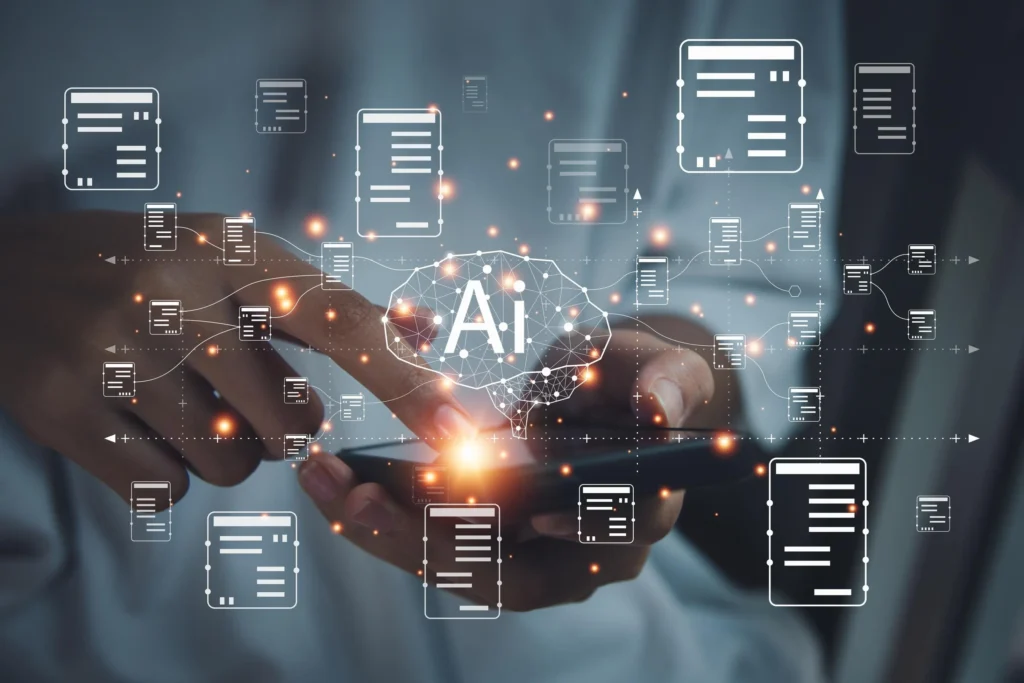
Implementing Automation and Integration Successfully
Even small improvements in automation and system integration can produce substantial gains in efficiency and operational consistency. Key steps include:
- Identify Repetitive Processes: Determine tasks that require significant manual effort.
- Choose Compatible Tools: Select platforms that support AI-driven automation and integrate with existing systems.
- Connect Systems: Ensure CRM, project management, marketing, and other tools communicate seamlessly.
- Monitor and Improve: Review workflows regularly to identify inefficiencies and optimize processes.
- Train Teams: Equip employees with the knowledge to leverage automation effectively.
By following these steps, businesses can create a system that adapts to growth, improves response times, and delivers consistent outcomes.
Real-World Applications
Automation and integrations impact nearly every aspect of business operations. Examples include:
- Sales teams automatically assign leads, scheduling follow-ups, and updating pipeline stages.
- Customer support integrating chatbots with helpdesk systems to resolve inquiries instantly.
- Marketing campaigns syncing automatically with CRM data to deliver personalized content at the right time.
These applications show how AI automation and integrations together enhance efficiency, improve customer experience, and free teams to focus on strategic initiatives.
Conclusion: Achieve Operational Excellence
Businesses that implement AI automation and integrations gain a clear advantage over competitors still relying on manual processes. Operations become faster, errors are minimized, workflows are consistent, and customer experiences improve. By connecting systems and automating repetitive tasks, teams can focus on growth and innovation rather than daily operational burdens.
At Digital Promotix, we help businesses integrate AI automation and create streamlined workflows that maximize efficiency. If your company is ready to save time, improve accuracy, and scale successfully, contact Digital Promotix today to implement automation and integrations for measurable results.